
Why Power Outage Is Becoming Worse in Nigeria in 2026
May 22, 2026
Discover why power outage in Nigeria is becoming worse in 2026. Learn the major causes, effects on businesses and households, and possible solutions to Nigeria’s electricity crisis.
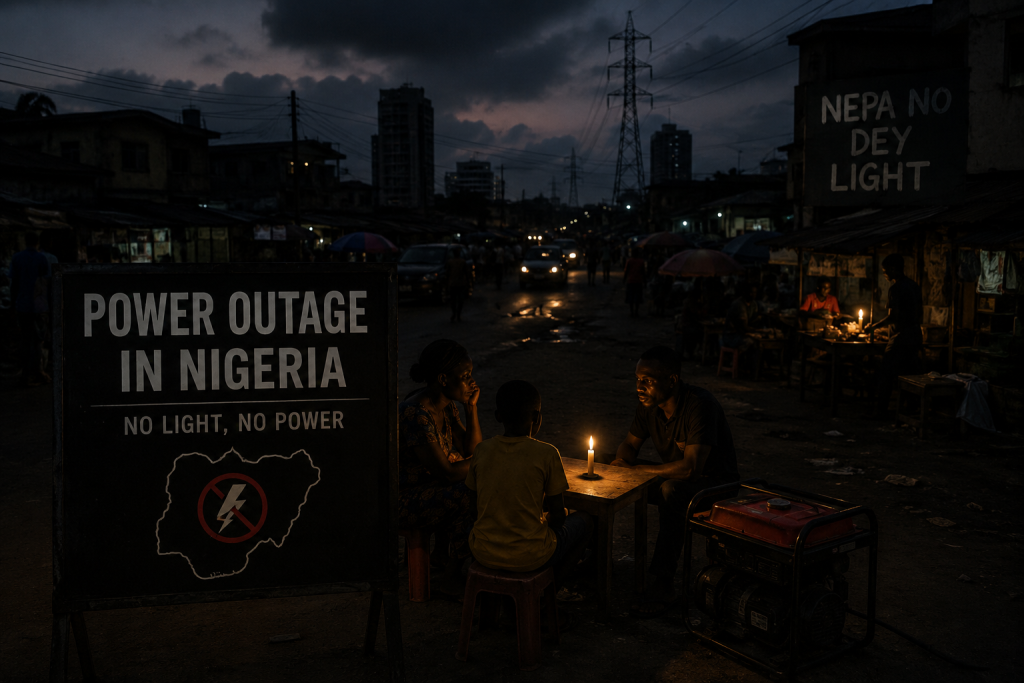
Electricity remains one of the biggest challenges affecting economic growth and daily life in Nigeria. In 2026, many Nigerians are experiencing longer blackouts, unstable power supply, and repeated grid collapses despite ongoing reforms in the power sector. From households to businesses, the impact of worsening power outages is becoming increasingly difficult to ignore.
This article explains why power outages are becoming worse in Nigeria in 2026, the major factors responsible, and what can be done to improve electricity supply across the country.
The Growing Electricity Crisis in Nigeria
Nigeria has one of the largest populations in Africa, yet electricity generation remains far below national demand. While the country requires over 30,000 megawatts to meet demand effectively, average available generation is still significantly lower.
As cities expand, industries grow, and digital businesses increase, electricity consumption continues to rise. Unfortunately, infrastructure development has not kept pace with this demand. The result is frequent power outages affecting homes, offices, hospitals, schools, and manufacturing industries.
Major Reasons Power Outage Is Becoming Worse in 2026
1. Aging Power Infrastructure
Many electricity facilities in Nigeria were built decades ago and now require urgent upgrades. Transmission lines, transformers, substations, and distribution equipment are overstretched and poorly maintained.
Old infrastructure leads to:
- Frequent transformer failures
- Damaged transmission lines
- Voltage fluctuations
- Extended downtime during faults
Without large-scale modernization, electricity supply will remain unstable.
2. National Grid Collapses
One of the major contributors to nationwide blackouts is repeated grid collapse. Nigeria’s national grid continues to face operational instability due to weak transmission infrastructure and poor load management.
Whenever the grid collapses:
- Electricity distribution stops nationwide
- Businesses shut down temporarily
- Internet and communication services are affected
- Economic activities slow down
Grid instability has become more frequent in recent years, worsening power supply challenges in 2026.
3. Gas Supply Problems
Most power plants in Nigeria rely heavily on gas. However, gas shortages, pipeline vandalism, and supply disruptions continue to affect electricity generation.
How Gas Issues Affect Power Supply
When gas supply to generating companies is interrupted:
- Power plants reduce output
- Electricity generation drops
- Distribution companies receive less power
- Consumers experience longer outages
This dependence on gas makes the electricity sector highly vulnerable.
4. Increasing Electricity Demand
Nigeria’s growing population and urbanization have significantly increased electricity consumption. More homes, offices, factories, and tech hubs now depend on stable power.
Unfortunately:
- Generation capacity is not growing fast enough
- Distribution infrastructure remains limited
- Rural electrification gaps still exist
This imbalance between supply and demand contributes heavily to persistent outages.
5. Inadequate Investment in the Power Sector
The Nigerian power sector still struggles with funding challenges. Many operators face liquidity problems, making it difficult to maintain infrastructure or invest in expansion projects.
Key issues include:
- High operational costs
- Debt within the electricity market
- Delayed payments across the value chain
- Limited private investment confidence
Without sustainable financing, improvements in electricity supply may remain slow.
The Impact of Power Outages on Nigerians
Frequent electricity outages affect nearly every aspect of life and business in Nigeria.
Effects on Businesses
Businesses spend billions yearly on fuel and generators to remain operational. Small businesses are especially affected because they cannot afford alternative power solutions.
Common effects include:
- Increased operating costs
- Reduced productivity
- Loss of revenue
- Higher prices of goods and services
Effects on Households
For families, unstable electricity affects:
- Food preservation
- Healthcare services
- Education and remote learning
- Security and comfort
Many Nigerians now depend heavily on inverters, solar systems, and generators due to unreliable public power supply.
Can Nigeria Solve Its Power Outage Problem?
Although the situation remains difficult, there are opportunities for improvement if strategic actions are implemented.
Possible Solutions
- Upgrading transmission and distribution infrastructure
- Investing in renewable energy projects
- Encouraging state electricity markets
- Improving gas supply security
- Attracting private sector investment
- Strengthening electricity market reforms
Decentralized power systems and renewable energy solutions may also reduce pressure on the national grid over time.
Conclusion
Power outages are becoming worse in Nigeria in 2026 due to aging infrastructure, grid instability, gas supply challenges, rising demand, and insufficient investment in the electricity sector.
While reforms are ongoing, significant collaboration between government agencies, private investors, electricity operators, and regulators will be necessary to achieve stable and reliable power supply.
Improving electricity infrastructure is not just about convenience — it is essential for economic growth, industrial development, job creation, and national progress.
Recent Post


Why Power Outage Is Becoming Worse in Nigeria in 2026
May 22, 2026
Discover why power outage in Nigeria is becoming worse in 2026. Learn the major causes, effects on businesses and households, and possible solutions to Nigeria’s electricity crisis.
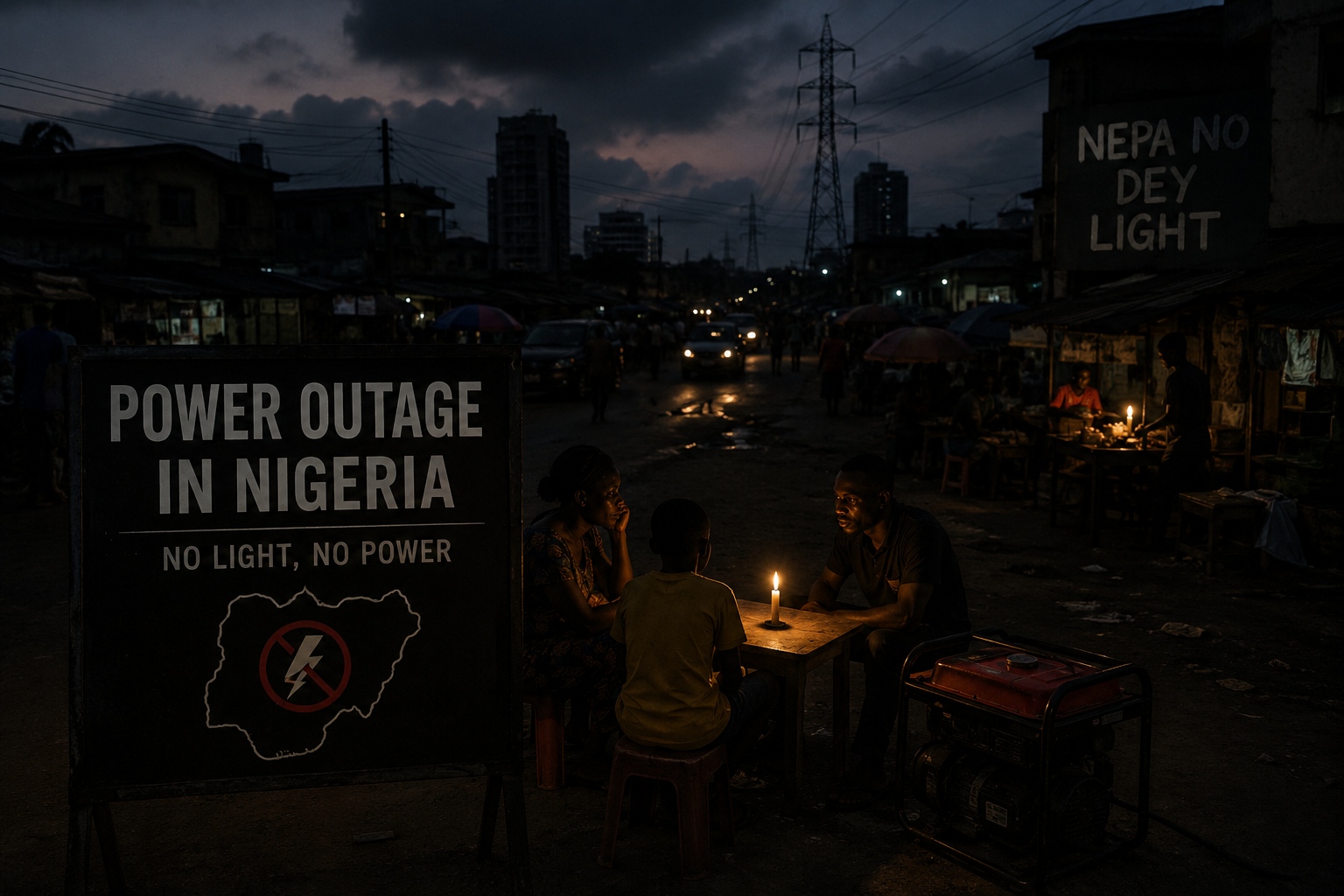
Electricity remains one of the biggest challenges affecting economic growth and daily life in Nigeria. In 2026, many Nigerians are experiencing longer blackouts, unstable power supply, and repeated grid collapses despite ongoing reforms in the power sector. From households to businesses, the impact of worsening power outages is becoming increasingly difficult to ignore.
This article explains why power outages are becoming worse in Nigeria in 2026, the major factors responsible, and what can be done to improve electricity supply across the country.
The Growing Electricity Crisis in Nigeria
Nigeria has one of the largest populations in Africa, yet electricity generation remains far below national demand. While the country requires over 30,000 megawatts to meet demand effectively, average available generation is still significantly lower.
As cities expand, industries grow, and digital businesses increase, electricity consumption continues to rise. Unfortunately, infrastructure development has not kept pace with this demand. The result is frequent power outages affecting homes, offices, hospitals, schools, and manufacturing industries.
Major Reasons Power Outage Is Becoming Worse in 2026
1. Aging Power Infrastructure
Many electricity facilities in Nigeria were built decades ago and now require urgent upgrades. Transmission lines, transformers, substations, and distribution equipment are overstretched and poorly maintained.
Old infrastructure leads to:
- Frequent transformer failures
- Damaged transmission lines
- Voltage fluctuations
- Extended downtime during faults
Without large-scale modernization, electricity supply will remain unstable.
2. National Grid Collapses
One of the major contributors to nationwide blackouts is repeated grid collapse. Nigeria’s national grid continues to face operational instability due to weak transmission infrastructure and poor load management.
Whenever the grid collapses:
- Electricity distribution stops nationwide
- Businesses shut down temporarily
- Internet and communication services are affected
- Economic activities slow down
Grid instability has become more frequent in recent years, worsening power supply challenges in 2026.
3. Gas Supply Problems
Most power plants in Nigeria rely heavily on gas. However, gas shortages, pipeline vandalism, and supply disruptions continue to affect electricity generation.
How Gas Issues Affect Power Supply
When gas supply to generating companies is interrupted:
- Power plants reduce output
- Electricity generation drops
- Distribution companies receive less power
- Consumers experience longer outages
This dependence on gas makes the electricity sector highly vulnerable.
4. Increasing Electricity Demand
Nigeria’s growing population and urbanization have significantly increased electricity consumption. More homes, offices, factories, and tech hubs now depend on stable power.
Unfortunately:
- Generation capacity is not growing fast enough
- Distribution infrastructure remains limited
- Rural electrification gaps still exist
This imbalance between supply and demand contributes heavily to persistent outages.
5. Inadequate Investment in the Power Sector
The Nigerian power sector still struggles with funding challenges. Many operators face liquidity problems, making it difficult to maintain infrastructure or invest in expansion projects.
Key issues include:
- High operational costs
- Debt within the electricity market
- Delayed payments across the value chain
- Limited private investment confidence
Without sustainable financing, improvements in electricity supply may remain slow.
The Impact of Power Outages on Nigerians
Frequent electricity outages affect nearly every aspect of life and business in Nigeria.
Effects on Businesses
Businesses spend billions yearly on fuel and generators to remain operational. Small businesses are especially affected because they cannot afford alternative power solutions.
Common effects include:
- Increased operating costs
- Reduced productivity
- Loss of revenue
- Higher prices of goods and services
Effects on Households
For families, unstable electricity affects:
- Food preservation
- Healthcare services
- Education and remote learning
- Security and comfort
Many Nigerians now depend heavily on inverters, solar systems, and generators due to unreliable public power supply.
Can Nigeria Solve Its Power Outage Problem?
Although the situation remains difficult, there are opportunities for improvement if strategic actions are implemented.
Possible Solutions
- Upgrading transmission and distribution infrastructure
- Investing in renewable energy projects
- Encouraging state electricity markets
- Improving gas supply security
- Attracting private sector investment
- Strengthening electricity market reforms
Decentralized power systems and renewable energy solutions may also reduce pressure on the national grid over time.
Conclusion
Power outages are becoming worse in Nigeria in 2026 due to aging infrastructure, grid instability, gas supply challenges, rising demand, and insufficient investment in the electricity sector.
While reforms are ongoing, significant collaboration between government agencies, private investors, electricity operators, and regulators will be necessary to achieve stable and reliable power supply.
Improving electricity infrastructure is not just about convenience — it is essential for economic growth, industrial development, job creation, and national progress.
Recent Post
Why Power Outage Is Becoming Worse in Nigeria in 2026
May 22, 2026
Discover why power outage in Nigeria is becoming worse in 2026. Learn the major causes, effects on businesses and households, and possible solutions to Nigeria’s electricity crisis.
Electricity remains one of the biggest challenges affecting economic growth and daily life in Nigeria. In 2026, many Nigerians are experiencing longer blackouts, unstable power supply, and repeated grid collapses despite ongoing reforms in the power sector. From households to businesses, the impact of worsening power outages is becoming increasingly difficult to ignore.
This article explains why power outages are becoming worse in Nigeria in 2026, the major factors responsible, and what can be done to improve electricity supply across the country.
The Growing Electricity Crisis in Nigeria
Nigeria has one of the largest populations in Africa, yet electricity generation remains far below national demand. While the country requires over 30,000 megawatts to meet demand effectively, average available generation is still significantly lower.
As cities expand, industries grow, and digital businesses increase, electricity consumption continues to rise. Unfortunately, infrastructure development has not kept pace with this demand. The result is frequent power outages affecting homes, offices, hospitals, schools, and manufacturing industries.
Major Reasons Power Outage Is Becoming Worse in 2026
1. Aging Power Infrastructure
Many electricity facilities in Nigeria were built decades ago and now require urgent upgrades. Transmission lines, transformers, substations, and distribution equipment are overstretched and poorly maintained.
Old infrastructure leads to:
- Frequent transformer failures
- Damaged transmission lines
- Voltage fluctuations
- Extended downtime during faults
Without large-scale modernization, electricity supply will remain unstable.
2. National Grid Collapses
One of the major contributors to nationwide blackouts is repeated grid collapse. Nigeria’s national grid continues to face operational instability due to weak transmission infrastructure and poor load management.
Whenever the grid collapses:
- Electricity distribution stops nationwide
- Businesses shut down temporarily
- Internet and communication services are affected
- Economic activities slow down
Grid instability has become more frequent in recent years, worsening power supply challenges in 2026.
3. Gas Supply Problems
Most power plants in Nigeria rely heavily on gas. However, gas shortages, pipeline vandalism, and supply disruptions continue to affect electricity generation.
How Gas Issues Affect Power Supply
When gas supply to generating companies is interrupted:
- Power plants reduce output
- Electricity generation drops
- Distribution companies receive less power
- Consumers experience longer outages
This dependence on gas makes the electricity sector highly vulnerable.
4. Increasing Electricity Demand
Nigeria’s growing population and urbanization have significantly increased electricity consumption. More homes, offices, factories, and tech hubs now depend on stable power.
Unfortunately:
- Generation capacity is not growing fast enough
- Distribution infrastructure remains limited
- Rural electrification gaps still exist
This imbalance between supply and demand contributes heavily to persistent outages.
5. Inadequate Investment in the Power Sector
The Nigerian power sector still struggles with funding challenges. Many operators face liquidity problems, making it difficult to maintain infrastructure or invest in expansion projects.
Key issues include:
- High operational costs
- Debt within the electricity market
- Delayed payments across the value chain
- Limited private investment confidence
Without sustainable financing, improvements in electricity supply may remain slow.
The Impact of Power Outages on Nigerians
Frequent electricity outages affect nearly every aspect of life and business in Nigeria.
Effects on Businesses
Businesses spend billions yearly on fuel and generators to remain operational. Small businesses are especially affected because they cannot afford alternative power solutions.
Common effects include:
- Increased operating costs
- Reduced productivity
- Loss of revenue
- Higher prices of goods and services
Effects on Households
For families, unstable electricity affects:
- Food preservation
- Healthcare services
- Education and remote learning
- Security and comfort
Many Nigerians now depend heavily on inverters, solar systems, and generators due to unreliable public power supply.
Can Nigeria Solve Its Power Outage Problem?
Although the situation remains difficult, there are opportunities for improvement if strategic actions are implemented.
Possible Solutions
- Upgrading transmission and distribution infrastructure
- Investing in renewable energy projects
- Encouraging state electricity markets
- Improving gas supply security
- Attracting private sector investment
- Strengthening electricity market reforms
Decentralized power systems and renewable energy solutions may also reduce pressure on the national grid over time.
Conclusion
Power outages are becoming worse in Nigeria in 2026 due to aging infrastructure, grid instability, gas supply challenges, rising demand, and insufficient investment in the electricity sector.
While reforms are ongoing, significant collaboration between government agencies, private investors, electricity operators, and regulators will be necessary to achieve stable and reliable power supply.
Improving electricity infrastructure is not just about convenience — it is essential for economic growth, industrial development, job creation, and national progress.
Recent Post